Facilities
Patient satisfaction for health care facilities can be studied by medical care, nursing and staff support provided in the hospitals. If you have any of problems then do not waste time and visit best Solapur pride multispeciality hospital, start your treatment and medicine.
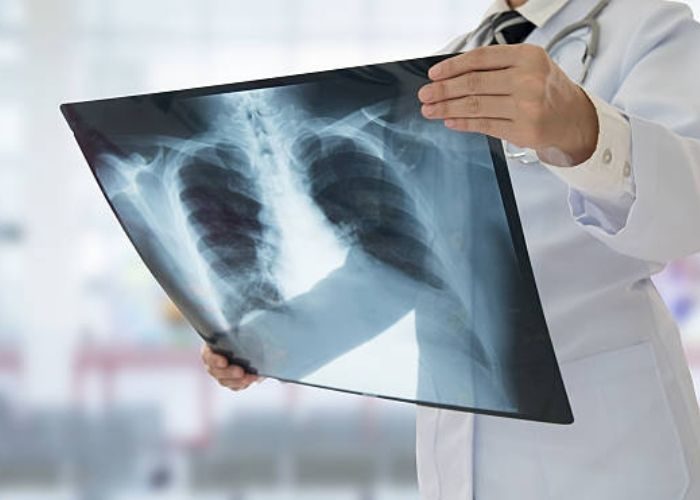
Radiology
The branch or specialty of medicine that deals with the study and application of imaging technology like x-ray and radiation to diagnosing and treating disease. The Department of Radiology is a highly specialized, full-service department which strives to meet all patient and clinician needs in diagnostic imaging and image-guided therapies.
2D Echo
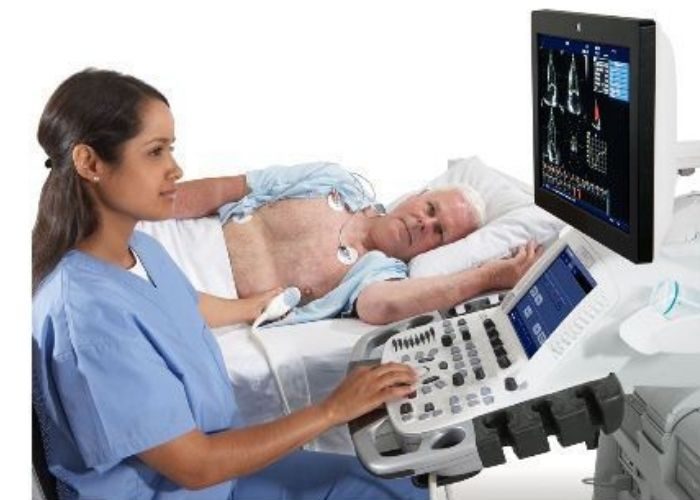
Echocardiography is a very precise method to detect the hearts movement and shape. It is a non-invasive technique that uses sonar to study the motion and appearance of the valves. The patient is asked to lie down and remove clothing from the waist up. A sheet of paper or cloth is used to cover the patient. Electrodes will then be placed on the patient’s body. The patient might be asked to breathe in a certain way or be asked to lie on ones side to best help the test be performed successfully. A gel is applied to the chest followed by a transducer i.e. a machine that sends and receives sound which is placed on the body over the heart and measures distance to produce the visual representation of the heart on a monitor. How the visuals appear in a 2d echo test and a 3d echo test will depend on the machine used. Though only a trained sonographer is required to perform the test, a cardiologist will best interpret the results.
Pharmacy
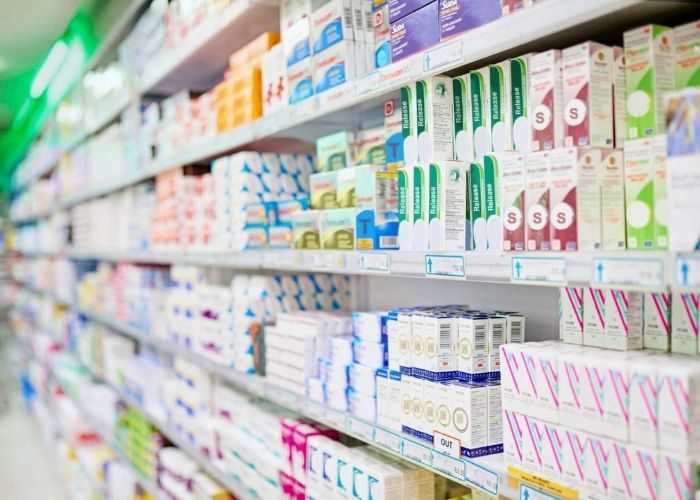
In house 27X7 pharmacy for patients who offers all medicines and other relevant medical treatment equipments.
Ultrasonography
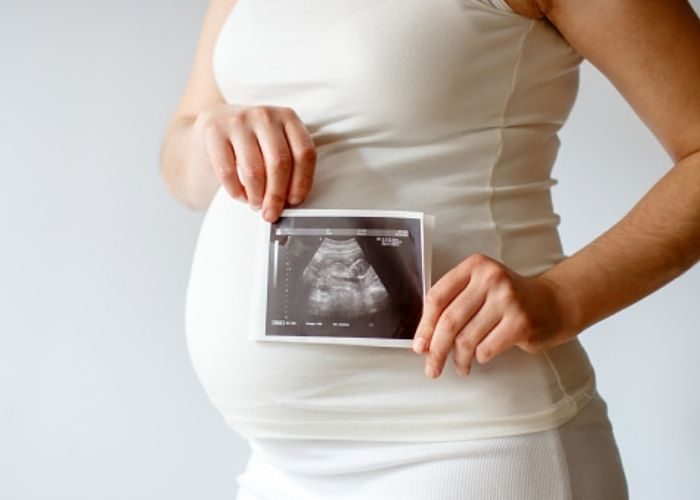
Ultrasonography uses high-frequency sound (ultrasound) waves to produce images of internal organs and other tissues. A device called a transducer converts electrical current into sound waves, which are sent into the body’s tissues. Sound waves bounce off structures in the body and are reflected back to the transducer, which converts the waves into electrical signals. A computer converts the pattern of electrical signals into an image, which is displayed on a monitor and recorded on film, on videotape, or as a digital computer image. No x-rays are used.
Ultrasonography is painless, relatively inexpensive, and considered very safe, even during pregnancy.
Laminar Unit & Minor OT
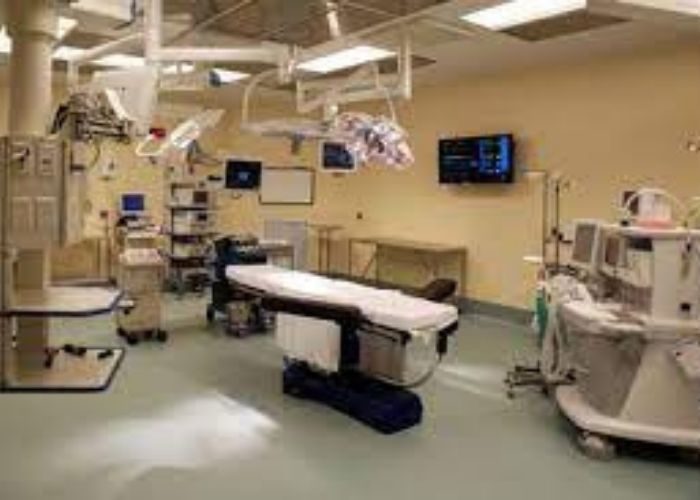
OT services (major, intermediate, minor and Day-care OT services)are provided by the department of General Surgery under Gastrointestinal surgery, Open Urology, Pediatric surgery, Neurosurgery, Endourology surgery and Laparoscopy Surgery. Major Operations are performed in ten sessions in major OT and 4 sessions per week in day care OT. Laparoscopic surgeries are routine in this institute and laparoscopic and lap assisted surgeries are becoming more common now. Endourology services are now in full swing with procedures like: cystoscopy, optical internal urethrotomy, TURBT, TURP, Ureteroscopy and Intra-corporal shock wave lithotripsy (ICSWL). Minor OT procedures under department of Dermatology are skin biopsies, electrocautery, molluscum needling, pairing, intralesional steroid, chemical peeling/cautery, slit skin smear for AFB, come done extraction, radiocautery, CO2 laser, podophylline application, nail avulsion/biopsy, patch and photopatch test, KOH mounting, PUVA/NB-PUVA, dressing, vitiligo surgery, etc.
Pathology
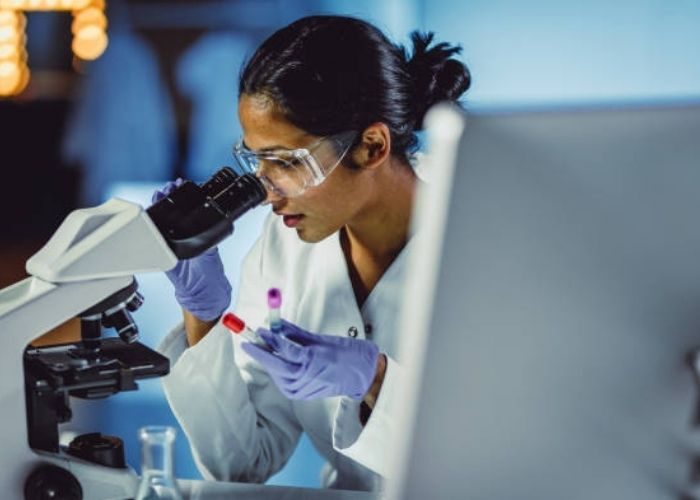
Pathology is the study and diagnosis of disease. The word pathology is from Ancient Greek, pathos which may be translated into English as either “experience” or “suffering” and logia – “An account of” or “the study of”. Pathology refers to the process of defining a condition or behavior as pathological. Pathologies (or pathoses) is synonymous with diseases. The suffix “path” is used to indicate a state of disease.
Pathology addresses four components of disease: cause/etiology, mechanisms of development (pathogenesis), structural alterations of cells (morphologic changes), and the consequences of changes (clinical manifestations).
Doppler
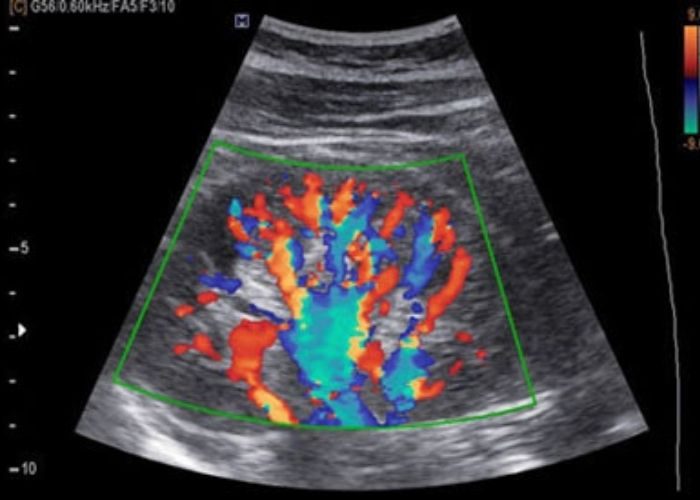
Doppler ultrasound helps diagnose many conditions including blood clots, poor functioning valves, heart valve defects and congenital heart disease, blocked artery and much more.
Dialysis Unit
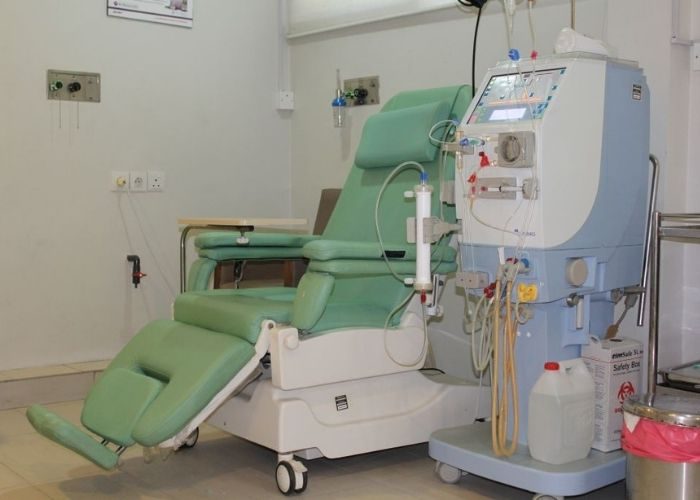
Dialysis refers to a treatment that performs some of the same things done by healthy kidneys. It is needed when your own kidneys can no longer take care of your body’s needs.
When Is Dialysis Needed?
You need dialysis when you develop end stage kidney failure –usually by the time you lose about 85 to 90 percent of your kidney function.
What Does Dialysis Do?
Like healthy kidneys, dialysis keeps your body in balance.
Special & Complete Health Checkup Plan
We offers special and complete health checkup plans for individuals, family and corporate, to serve them better.